
How to Start a Gratitude Journal for a Happier Life
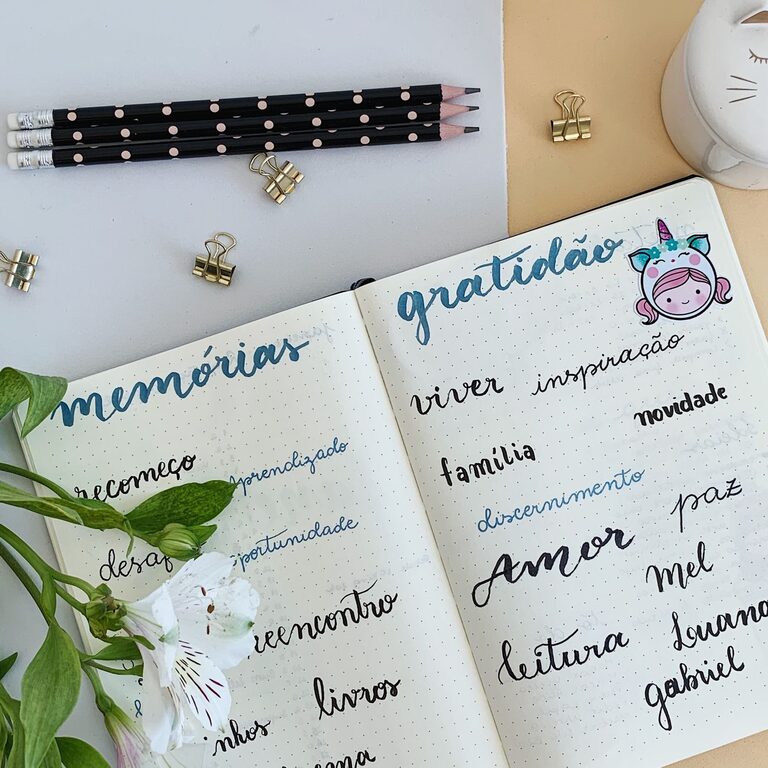
Keeping a gratitude journal is a simple yet powerful way to improve your mood, increase your happiness, and develop a positive outlook on life. By regularly recording the things you are thankful for, you can shift your focus from stress and challenges to the good moments that bring joy and fulfillment. If you’ve been curious about starting a gratitude journal but aren’t sure where to begin, this guide will walk you through the process with practical tips and ideas.
What Is a Gratitude Journal?
A gratitude journal is a personal notebook or digital document where you write down things you appreciate in your life. These can be big or small moments, people, experiences, or even qualities about yourself. The goal is to regularly reflect on positive aspects of your day or life, helping you cultivate a sense of thankfulness.
Why Start a Gratitude Journal?
Studies show that practicing gratitude can improve mental health, increase optimism, and reduce stress. Keeping a gratitude journal encourages mindfulness and helps you:
– Notice the positives even during tough times
– Strengthen relationships by appreciating others
– Improve sleep by focusing on calming thoughts before bed
– Build resilience through consistent positive reflection
How to Start Your Gratitude Journal
1. Choose Your Journal Style
Decide if you prefer a physical notebook or a digital format. Some people enjoy the tactile experience of handwriting in a notebook, while others like the convenience of apps or digital notes.
– Physical journal: Choose a notebook you like; it can be simple or decorative.
– Digital journal: Use a notes app, a journaling app, or a document on your computer or phone.
2. Set a Routine
Consistency is key to making gratitude journaling a habit. Pick a time that works best for you, such as:
– First thing in the morning to start your day positively
– Before bedtime to reflect and relax
– During a lunch break to boost your mood
Start with just 5 minutes a day to keep it simple and manageable.
3. Start Small and Be Specific
When you write your entries, focus on specific things you are grateful for rather than vague statements. Instead of “I’m thankful for my family,” try “I’m grateful for my sister’s thoughtful message today.” This helps deepen your appreciation.
4. Use Prompts to Get Started
If you’re unsure what to write, prompts can help spark ideas. Here are some examples:
– What made you smile today?
– Name one person you appreciate and why.
– What is something beautiful you noticed around you?
– Describe a small victory you experienced recently.
– What is a comfort or luxury you are grateful for?
5. Include Different Types of Gratitude
Your journal can cover a variety of areas in life, such as:
– Relationships: friends, family, coworkers
– Experiences: a walk in nature, a good meal
– Personal qualities: patience, creativity
– Opportunities: learning something new, a kind gesture from someone
– Simple pleasures: sunshine, a favorite song
6. Reflect and Review
Every few weeks, take time to reread your earlier entries. This reflection can remind you of many positive moments and encourage a grateful mindset even when facing difficulties.
Helpful Tips for Maintaining Your Gratitude Journal
– Keep it accessible: Have your journal nearby so you can write whenever inspiration strikes.
– Be honest: Write what you truly feel grateful for, even if it’s small or simple.
– Mix it up: Use colors, doodles, or photos to make journaling enjoyable.
– Avoid pressure: Skip days if needed—focus on progress, not perfection.
– Share if you want: Sometimes sharing your gratitude with friends or family can deepen your appreciation and connections.
Gratitude Journaling Ideas and Variations
If you want to explore different ways to keep your gratitude journal, here are some ideas:
– Gratitude jar: Write notes of gratitude on slips of paper and collect them in a jar. Pull one out when you need a boost.
– Photo gratitude journal: Take a photo each day of something you’re thankful for and pair it with a short note.
– Themed gratitude: Focus on a specific theme each week, like health, nature, or kindness.
– Gratitude partner: Share journaling prompts and entries with a friend to support each other.
Final Thoughts
Starting a gratitude journal is a simple habit that can bring meaningful benefits to your mental and emotional well-being. By taking a few minutes each day to reflect on what you appreciate, you can create a more positive outlook and increase your overall happiness. Remember, there’s no right or wrong way to journal—just find what feels good for you and enjoy the journey of gratitude.
Give it a try today, and see how your small daily practice can brighten your life over time!