
How to Choose a Notebook You’ll Actually Use: Tips for Finding the Perfect Fit
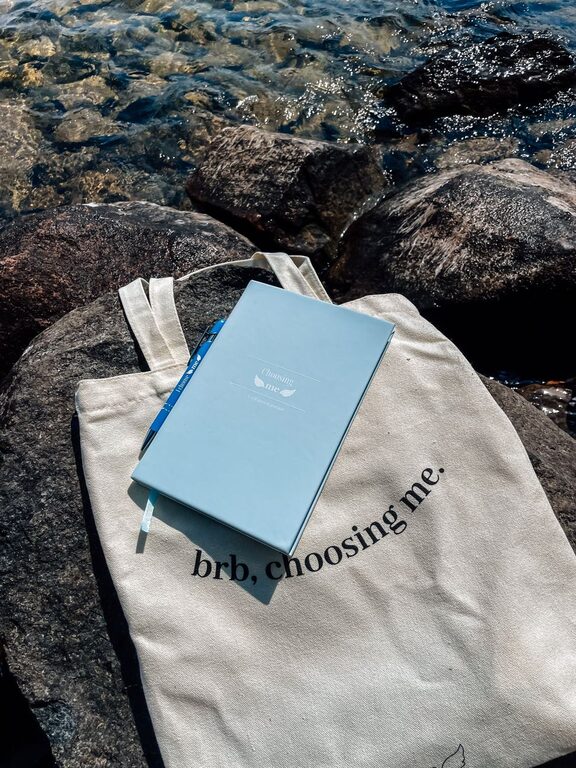
Choosing the right notebook might seem like a simple task, but with so many options available, it can quickly become overwhelming. Whether you want a journal, a planner, or a sketchbook, finding a notebook you’ll actually use is all about matching it to your habits, preferences, and goals. In this guide, we’ll explore how to pick a notebook that’s both enjoyable and practical, so you look forward to using it every day.
Why Choosing the Right Notebook Matters
A notebook is more than just paper bound together; it’s a tool to capture ideas, track tasks, and express creativity. Using a notebook that fits your style can boost your motivation, keep you organized, and even improve your focus. On the other hand, a notebook that doesn’t suit your needs may end up unused, wasting money and cluttering your space.
Consider Your Purpose
Before buying, think about how you plan to use your notebook. Different needs call for different styles:
– Journaling: Do you want a diary for personal reflections, gratitude lists, or daily logs?
– Work or Study: Need a notebook for meeting notes, project planning, or class lectures?
– Creative Use: Looking for space to sketch, doodle, or brainstorm ideas?
– Planning: Prefer a structured planner to manage your schedule and tasks?
Knowing the primary purpose helps narrow down the types and features you should look for.
Choose the Right Size and Portability
Notebooks come in a wide range of sizes from pocket-sized to large sketchbooks. Consider:
– Portability: If you want to carry it daily, a smaller size (like A5 or smaller) may be best.
– Space Needed: For detailed notes or artwork, larger pages (A4 or letter size) provide more room.
– Storage: Think about where you’ll keep it. A bulky notebook might be harder to store or transport.
Decide on the Paper Type and Quality
Paper quality affects your writing experience, especially if you use certain pens or inks.
– Thickness (GSM): Higher GSM numbers mean thicker paper that resists ink bleed-through.
– Texture: Smooth paper is ideal for ballpoint pens, while textured paper suits pencils and charcoal.
– Color: Classic white is common, but some prefer cream or off-white for a softer look.
– Special Features: Some notebooks use recycled paper or are acid-free for longevity.
If you plan to use markers or fountain pens, a notebook with thick, high-quality paper is a smart choice.
Pick the Binding Type
How the pages are bound influences how the notebook opens and feels.
– Spiral Binding: Opens flat and allows easy page turning, great for note-taking.
– Sewn or Thread-Bound: Durable and often looks elegant; lays reasonably flat.
– Glue Binding: Common in cheaper notebooks, but may not lay flat or last as long.
– Disc Binding: Flexible, allowing pages to be added or rearranged.
Choose a binding that suits your writing habits and preferences on usability.
Consider Page Layout and Format
The inside layout affects how you organize information.
– Ruled Lines: Ideal for writing and note-taking.
– Blank Pages: Perfect for drawing and creative expression.
– Dot Grid: Versatile for bullet journaling, sketching, or graphs.
– Grid Pages: Useful for technical drawings, math, or charts.
– Pre-Printed Planners: Include calendars, to-do lists, and habit trackers.
Match the page style to your intended notebook use for better enjoyment and efficiency.
Additional Features to Look For
Some notebooks come with extras that can enhance your experience:
– Built-in Pockets: Handy for storing notes, receipts, or stickers.
– Elastic Closures: Keep your notebook securely closed.
– Bookmarks or Ribbons: Help mark important pages.
– Perforated Pages: Allow easy removal without damage.
– Durable Covers: Hardcovers protect pages, while softcovers are lighter and flexible.
Assess which features add value based on how you plan to use the notebook.
Budget and Sustainability
Price is a practical consideration. Notebooks range from budget-friendly to high-end luxury options. Think about:
– How often you’ll use and replace the notebook.
– Whether features like premium paper or a sturdy cover justify the cost.
– Sustainability: Many brands offer eco-friendly notebooks made from recycled or responsibly sourced materials.
Buying a slightly more expensive, quality notebook can be a better investment if it encourages regular use.
Test Before You Commit
If possible, visit a stationery store to look at and try out various notebooks. Feel the paper, open the binding, and see what feels comfortable. You might also order a few sample notebooks online to find your favorite style.
Tips to Make Your Notebook a Habit
Once you find your ideal notebook, here are some ways to keep using it regularly:
– Keep it in a visible, accessible spot.
– Set aside a few minutes each day to write or draw.
– Make it personal—add stickers, notes, or sketches.
– Use it for specific tasks to avoid overwhelm.
– Don’t worry about perfection; the goal is consistent use.
Summary
Choosing a notebook you’ll actually use comes down to understanding your needs and preferences. Consider the size, paper quality, binding, and layout carefully. Look for features that make the notebook enjoyable and practical for your tasks. With the right match, your notebook can become a trusted companion for productivity, creativity, and reflection.
Remember, the best notebook is one that fits your lifestyle and inspires you to fill its pages. Happy notebook hunting!