
How to Store Seasonal Clothes Efficiently: Tips for a Clutter-Free Closet
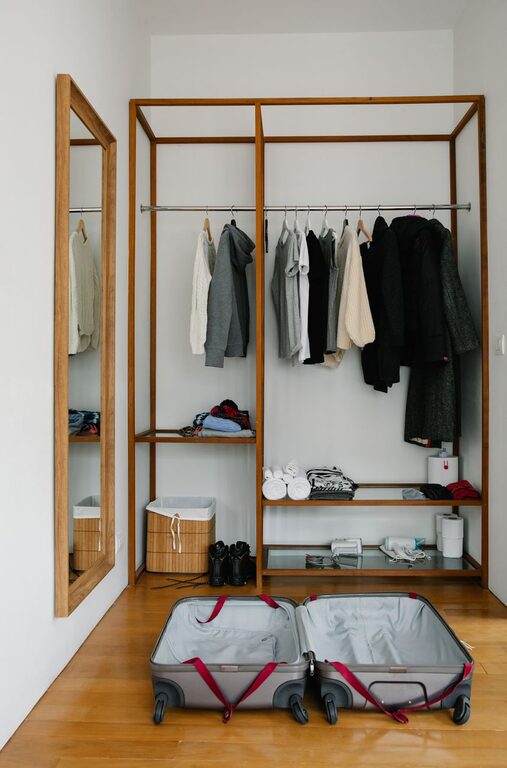
Storing seasonal clothes efficiently is key to maintaining an organized closet and maximizing your living space. When the seasons change, switching out your wardrobe can be a daunting task—but with the right strategies, it can become straightforward and even enjoyable. In this post, we’ll explore practical tips and methods to store your seasonal clothes so they stay fresh, wrinkle-free, and easy to access.
Why Proper Storage Matters
Storing clothes improperly can lead to wrinkles, damage, odors, and even pest problems. Efficient storage not only protects your garments but also helps keep your home tidy. When you have a designated system, seasonal transitions are quicker and less stressful.
Prepare Your Clothes Before Storage
Before packing away your seasonal clothes, it’s important to prepare them properly:
1. Clean Everything
Always wash or dry clean clothes before storing them. Dirt, oils, and stains can set over time and attract moths or other insects.
2. Repair and Sort
Check for missing buttons, loose threads, or small tears and fix them to avoid bigger problems later. Sort the clothes by type (e.g., sweaters, pants, jackets) for easier retrieval.
3. Dry Completely
Make sure clothes are completely dry to prevent mildew or mold growth, especially if you live in a humid area.
Choose the Right Storage Containers
The containers you use can make a big difference in preserving your clothes’ condition.
1. Plastic Bins with Tight-Fitting Lids
Plastic bins protect clothing from moisture and pests. Choose clear bins so you can see what’s inside without opening them.
2. Fabric Storage Bags
Breathable garment bags or cotton storage bags allow air circulation, which is ideal for delicate fabrics that need protection but shouldn’t be sealed tightly.
3. Vacuum-Seal Bags
Great for bulky items like winter coats or blankets, vacuum-seal bags reduce the volume clothes take up. Just be cautious, as some natural fibers don’t benefit from compressed storage.
4. Hanging Organizers
Use hanging storage for items you want to keep wrinkle-free and easy to access, such as dresses or suits.
Organize by Season and Frequency
Sort your clothes by the current season and how often you use each item.
– Out-of-Season Clothes: Store these in bins or bags labeled clearly and place them in high or less accessible spots.
– Frequently Used Items: Keep these within easy reach, either hung in your closet or in low drawers.
Labeling containers can save time and help maintain your system over time.
Maximize Storage Space
Here are some ideas to make the most of your available storage space:
1. Use Under-Bed Storage
Slim rolling bins fit well under beds and are perfect for storing clothes out of sight but still accessible.
2. Shelf Dividers
If you have shelving in closets or storage rooms, add dividers to keep stacks of folded clothes from toppling over.
3. Utilize Doors and Walls
Over-the-door organizers or hooks can hold accessories or smaller clothing items.
4. Stack Strategically
Place heavier items on the bottom and lighter items on top to avoid crushing delicate fabrics.
Tips to Keep Clothes Fresh in Storage
– Add Natural Fresheners: Use cedar blocks, lavender sachets, or dried herbs to deter moths and keep a pleasant smell.
– Avoid Plastic Bags: Do not store clothes in regular plastic bags; they trap moisture and can cause mildew.
– Air Out Periodically: Open containers occasionally to air out clothes, especially for long-term storage.
– Control Humidity: Use a dehumidifier or moisture absorbers in storage areas if humidity is a concern.
Seasonal Clothing Rotation Routine
Setting a consistent schedule to swap your wardrobe helps keep your closet manageable.
– Plan to rotate clothes at least twice a year.
– Take the opportunity to declutter unwanted items.
– Refresh clothes by washing or airing them before putting them away.
Conclusion
Efficiently storing your seasonal clothes doesn’t have to be complicated. With proper preparation, the right containers, good labeling, and smart space use, you can protect your garments, save space, and reduce clutter. These methods help make seasonal transitions smooth and keep your wardrobe ready for every occasion when the next season arrives. Happy organizing!