
Simple Ways to Reduce Noise at Home for a Quieter Living Space
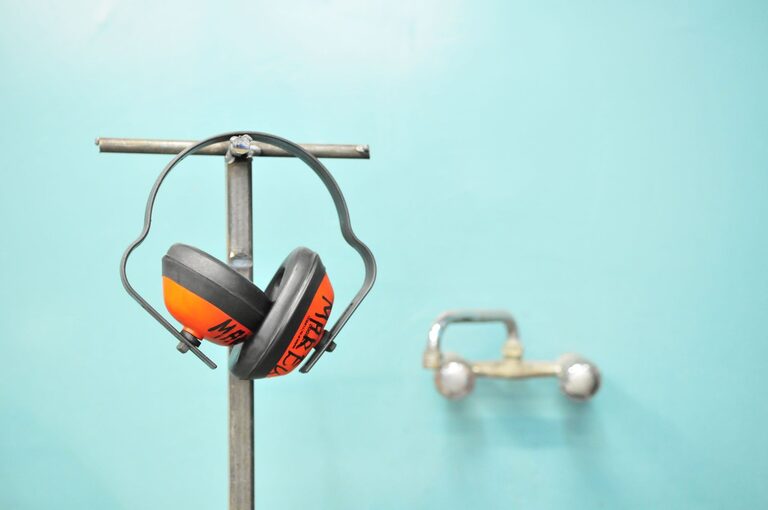
Creating a calm and quiet home environment is something many people strive for, especially in busy neighborhoods or apartment buildings. Noise can disrupt your peace, affect your sleep, and reduce overall comfort. Fortunately, there are simple ways to reduce noise at home without major renovations or expensive equipment. This guide will walk you through practical tips you can apply to create a quieter, more relaxing living space.
Understanding Noise Sources at Home
Before tackling noise reduction, it helps to identify the sources of unwanted sounds. Common noise intruders include:
– Traffic sounds from outside
– Loud neighbors or communal areas
– Household appliances like washing machines or vacuum cleaners
– Echoes and sound reflections inside rooms
– Footsteps and voices in multi-level homes
Pinpointing the types and locations of noise will help you choose the best solutions for your home.
Simple Soundproofing Tips to Try Today
1. Use Soft Furnishings
Hard surfaces reflect sound and can make noise louder. Adding soft furnishings helps absorb sound waves, reducing echoes and overall noise levels. Consider:
– Thick curtains or drapes on windows
– Area rugs or carpets on floors
– Throw pillows and upholstered furniture
These items are easy to add and can make a noticeable difference in sound quality.
2. Seal Doors and Windows
Gaps and cracks allow noise to easily enter your home. To block these sound leaks:
– Install weather stripping around doors and windows
– Use draft stoppers at the base of doors
– Caulk any visible gaps or cracks in walls near windows and doors
These small fixes help keep outside noise from seeping into your rooms.
3. Rearrange Furniture Strategically
Where you place furniture can impact how noise travels. For example:
– Position bookshelves or cabinets against shared walls or noisy areas
– Use large furniture to create a buffer between you and noise sources
– Avoid placing beds or seating directly against walls that receive a lot of sound
This approach can help dampen sound without any special materials.
4. Add Sound-Absorbing Wall Decor
Decorative options can also improve sound quality:
– Hang fabric wall art or tapestries
– Use cork boards or acoustic panels designed to absorb noise
– Mount bookshelves filled with books, which act as a natural sound barrier
These decorative elements both enhance your space and contribute to sound reduction.
More Advanced Noise Reduction Strategies
If you’re looking for more significant noise control, consider these options:
1. Install Door Sweeps and Heavy Curtains
For noisy exterior doors:
– Add door sweeps to close gaps at the bottom
– Hang thick, heavy curtains over doors leading outside or to noisy hallways
These upgrades further block sound transmission.
2. Soundproof Your Floors and Ceilings
Noise can travel between floors in multi-level homes. To help reduce this:
– Install carpet padding under rugs or carpets
– Use acoustic underlayments when putting in new flooring
– Add acoustic ceiling tiles or panels if upstairs noise is a problem
Floor and ceiling treatments can greatly reduce footstep and airborne noise.
3. Use White Noise Machines or Fans
Sometimes, masking noise can be just as effective as blocking it. White noise machines or fans provide a steady background sound that can help drown out unexpected noises.
Everyday Habits That Help Keep Noise Low
It’s also important to adopt habits that reduce noise generation inside your home:
– Turn down loud music and television volume
– Use appliances like vacuum cleaners during daytime hours
– Encourage family members to be mindful of noise, especially during sleep times
– Close doors of rooms where loud activities occur
Being conscious of noise levels supports a peaceful home environment.
When to Seek Professional Help
If noise problems persist despite your best efforts, you might want to consult professionals. Acoustic consultants can assess your home and recommend structural or material changes tailored to your needs. In some cases, more extensive soundproofing measures, like double-glazed windows or wall insulation, may be necessary.
Final Thoughts
Reducing noise in your home doesn’t have to be complicated or costly. Simple steps like adding soft furnishings, sealing gaps, and rearranging furniture can provide immediate relief. Combining these with smart habits and, if needed, more advanced solutions can make your home a quiet retreat from the noisy world outside.
By paying attention to your noise sources and applying some of the tips above, you’ll enjoy a more peaceful and comfortable living space in no time.